
3DTutor
The 3DTutor Motion Feedback Training System
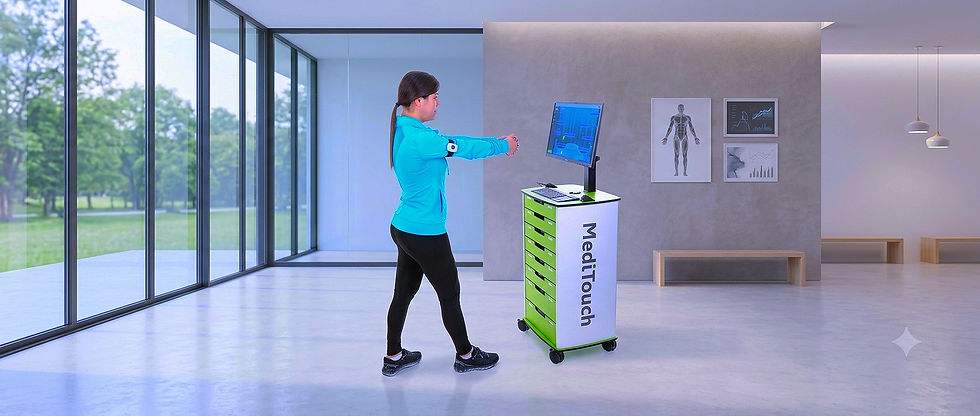
The 3DTutor enables training of full-body movements, including trunk, upper limb, and coordinated multi-joint motion. The system integrates a wearable sensor-based setup with dedicated software to support structured motor training and objective movement tracking across functional movement patterns.

Targeted Training
The 3DTutor enables clinicians to deliver task-oriented training tailored to the patient’s range of motion (ROM) and functional abilities. Real-time biofeedback supports:
-
Full-Body Motor Training Exercises: Designed to support trunk, upper limb, and multi-joint movement practice
-
Repetitive Practice: Enables high-frequency training sessions across functional movement patterns
-
Coordinated Movement Training: Supports integration of upper body and trunk control during functional tasks
-
Adjunct Therapy Use: Can be used alongside therapies such as Functional Electrical Stimulation (FES), where applicable

Monitoring & Data Capture
The system software provides tools for supervised or independent training:
-
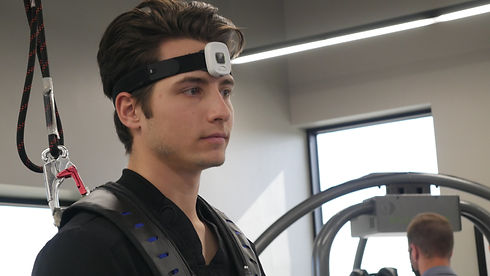
Movement Tracking: Captures multi-joint and full-body movement parameters during exercises
-
Performance Data: Records metrics such as movement frequency, speed, coordination, and range of motion
-
Biofeedback Interface: Provides real-time visual feedback during training sessions

Engagement, Gamification & Motivation
The 3DTutor system incorporates gamified elements designed to enhance patient engagement and training adherence. Interactive feedback and structured task goals help make therapy sessions more engaging, personalized, and user-friendly.
-
Gamified Training Tasks: Exercise-based activities with goal-oriented challenges across full-body movements
-
Real-Time Feedback: Visual feedback supports active participation during training
-
Motivation Support: Progress tracking and performance indicators encourage continued use
-
Customizable Sessions: Clinicians can tailor training parameters to individual patient needs and abilities
These features are intended to support patient engagement during structured rehabilitation programs.
Clinical Indications
-
Fine motor, sensory and cognitive impairments
-
Stroke
-
Multiple Sclerosis
-
Cerebral Palsy
-
Parkinson’s disease
-
Head injuries
-
Complex regional pain syndrome
-
Muscle weakness
-
Peripheral nerve injuries
-
Post orthopedic surgery e.g. tendon transfer
-
Fractures and soft tissue injuries

Unique Features
-
Evaluation and analysis including speed, passive and active range of motion and motion analysis
-
Documentation & Reports for
-
Controlled & Customized real-time accurate feedback on patient performance
-
Motivating & Challenging rehabilitation games
-
suitable for a wide variety of neurological and orthopedic injury and disease
-
Movement biofeedback prevents development of undesired and compensatory movements